
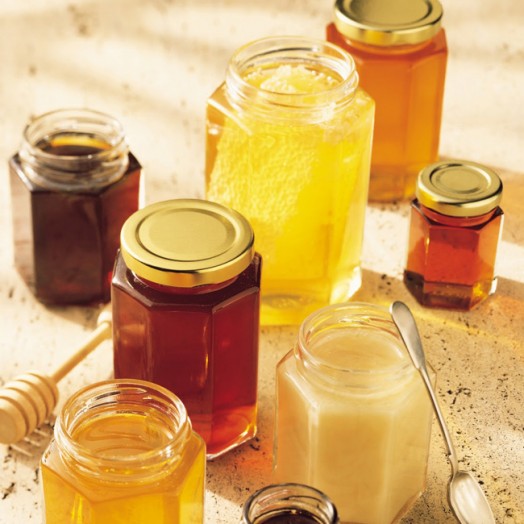
Cloyingly sweet and nondescript, honey was just another ingredient for desserts and ice creams. At least, this was true until I finally got around to opening the jar of lavender honey that I bought in France a few years earlier.
I was flummoxed. The honey, a light tinge of beige, was thick, creamy and spread like butter. It didn’t taste as sweet as the honey in the “bear” bottles, nor was it as offensively floral as I expected. Did I wait too long to eat it? Was it spoiled? That same spring, I planted flowering vegetables, moonflowers, lilies, and nasturtium in addition to my usual roster of herbs, salad greens and berries. As my garden flourished, so did the bees. As they sun rose, they descended onto my balcony in numbers that would send any rational human into an arm-flailing run for shelter. As I succumbed to one early morning haze, the bees made their usual descent. As they perched on the outstretched petals of blossoming flowers, I peered closer, moving deliberately and cautiously. This time, they didn’t sting me. (I want to romanticize my curiosity but the mundane truth is: it was too damn hot to run.) They buzzed around me, enjoyed a brief coital romp with my flowers, and flew away. As the summer crawled onward, I looked forward to the bees’ descent. Moonflowers were the plat du jour and the experience made it all the more poignant that honey truly is the intersection of food and nature, another expression of terroir. I have no idea where those bees came from or where they flew to, but somewhere out there is a jar of honey made from the nectar of flowers that I grew.
But next to that jar is a jar of honey of unknown origins. It’s been processed to death. After harvesting, cheaply priced honey is heated, centrifuged and filtered to remove pollen, wax, and debris to produce a clear honey that will rarely crystallize. It will also rarely taste like honey Commercial honey harvesters will then blend honey from different regions—some with a questionable environmental origin—so at the end of the day, no one can be really sure where the honey came from. Clover honey from China could be passed off as tupelo honey, a rare and prized honey that commands a premium price. Unfortunately, adulterated honey is commonplace so it’s important to know what the honey is supposed to taste like and buy from a reputable beekeeper. Ultimately, I want to set up my own hives but first, I need to conquer my fear of prolonged contact with a few thousand bees.
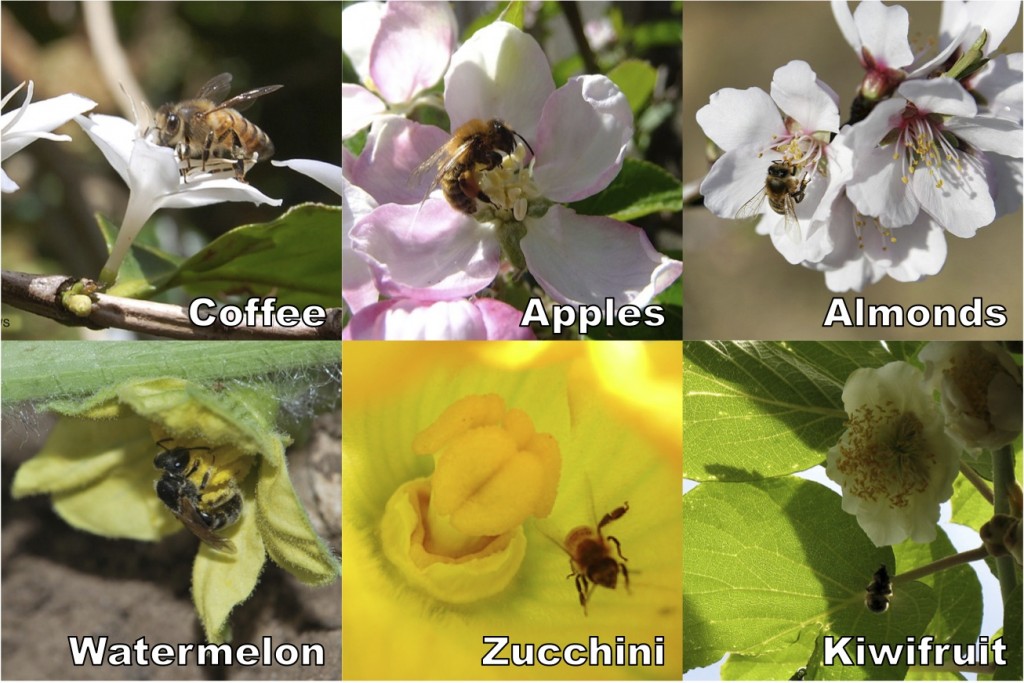
Bees are also important for reasons beyond honey; they pollinate many food crops–from melons to almonds to apples. Almond farmers have become so dependent on bees to pollinate their trees that they pay hundreds of thousands of dollars to rent bees that are trucked in hives across the country for the brief two week span when almond trees are in bloom. Without bees, we wouldn’t be able to grow the bumper crops of food that we’ve grown accustomed to. Those bumper crops may soon be coming to an end. In the Western world, we tend not to want to solve a crisis until it slaps us in the face and the collapse of the honey bee is no exception. For well over a decade, hives have been decimated by a mysterious syndrome that scientists have termed Colony Collapse Disorder (CCD). Theories abound—stress, viruses, mites, pesticides—but scientists have been unable to pinpoint why so many hives are devoid of all but a handful of deformed and confused bees. A world without bees? A world without honey? I don’t like the prospect.
Until I conquer my fear of being stung and warmer weather arrives, I am content to experiment with honey varietals in my desserts— from the obnoxiously aromatic chestnut, to the tangy star thistle and the versatile wildflower. Farmers’ markets have been an invaluable tasting resource and in July, I will be attending a honey tasting and harvest workshop.
Resources: As the winter months are not conducive to outdoor activities, like harvesting honey, I delved into a handful of books that helped me explore honey varietals, how bees produce honey, why bees are more effective pollinators than man or machine, and how a dwindling bee supply will affect our food supply.
- The Beekeeper’s Lament (Hannah Nordhaus): delves beyond the role of the honey bee as honey producer to examine its role of “agricultural pollinator” by following John Miller, a commercial beekeeper, as he trucks his hives to farms across the country
- Honeybee: Lessons from an Accidental Beekeeper (Marina Marchese): in which the author learns to raise honey bees and become a honey entrepreneur.
- Robbing the Bees (Holley Bishop): on how honey and bees intertwine to play a role in human civilization, agricutlure, and gastronomy.
- Fruitless Fall (Rowan Jacobsen): in which the author details how honey bees play a crucial role in the life cycle of our food crops and urges us not to take our epicurean abundance for granted.
- The Honey Trail: In Pursuit of Liquid Gold and Vanishing Bees (Grace Pundyk): part travel narrative and part food and environmental exposé reveals that China is one of the world’s largest producers of honey, why much of our global supply is tainted, and why we should care that bees are disappearing.
- More Than Honey (DVD): Fifty years ago, Einsten famously asserted that “if bees were to disappear from the globe, mankind would only have four years left to live”. In this 2012 Swiss documentary, Markus Imhoff examines the agricultural and economic pressures that we’ve placed on these tiny creatures.
- Red Bee: owned and operated by Marina Marchese, author of Honey Bee and founder of American Honey Tasting Society; offers single-origin honeys
- National Honey Board Varietal Guide offers flavor profile, regional map and food pairing guide for honey varietals
- Local beekeepers associations
 Buttery. Salted. Caramel.
Leave a comment