
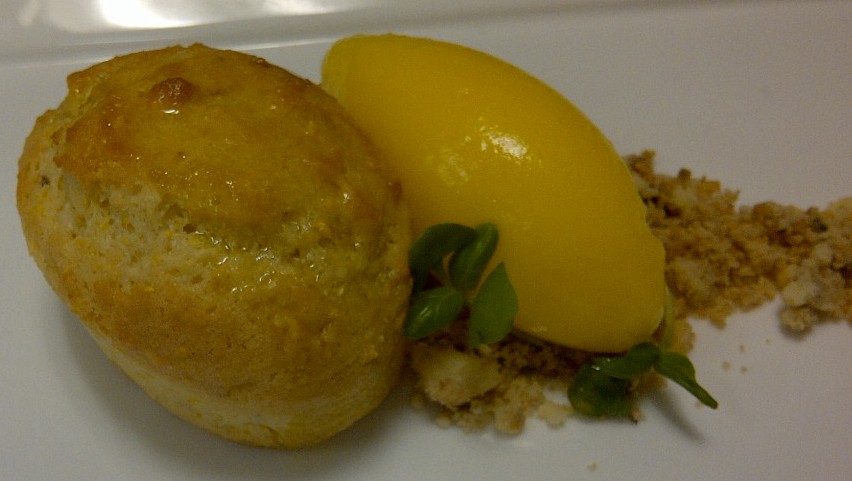
When you think of olive oil, dessert is not the first thing to come to mind. In Italy and the Mediterranean, olive oil is so abundant that it’s cheaper than butter and is a common ingredient for baking. Some would say using olive oil in desserts is just a trend but I hope it’s a trend that’s here to stay. I used to have a running joke that “butter makes it better” which I’ve found to be true with cookies. But with other pastries and desserts, my love affair with butter is starting to wane. (Unless the butter is browned, but that’s another post…)
Why bake with olive oil?
Practically speaking, olive oil is great for vegan and dairy-free desserts. It’s flavorful enough that you’ll hardly miss the butter. Olive oil is a naturally liquid fat so cakes made with olive oil won’t harden when chilled and are less prone to drying out than sponge and butter based cakes. Olive oil is also a great source of mono-unsaturated…look, let’s keep this real. I’m not baking with olive oil for my health. I’ll let someone else bore you to death with the healthy benefits of olive oil. It tastes good. Let’s move on…
Tasting and choosing olive oil.
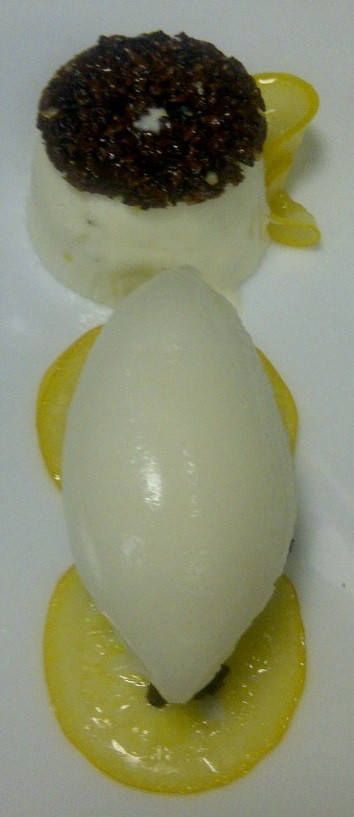
Like wine and cheese, every olive oil has a unique character that varies by the type of olive, the ripeness of the olives when harvested, and the climate and soil of the olive groves. Olive oil has many aromas. It smells fruity, grassy and tastes a little bitter. In fact, a little bitter is good as it’s indicative of polyphenols. (I know. I know. I wasn’t going to talk about the healthy stuff.) Once you swirl olive oil in your mouth, your mouth should unleash a nuance of flavors. (If are still struggling to describe the olive oil long after you’ve swallowed it, then you should question whether it’s really olive oil.) High quality olive is pungent and a little will go a long way. So when you taste olive oil, remember the four Ss: swirl, smell, slurp, and swallow.
Up until now, I’ve only referred to olive oil. But olive oil exists in several grades: light, pure, virgin, and extra-virgin. “Light” refers to the taste, of which there isn’t much. Pure olive oil, often referred to as pomace oil, is usually heated or chemically refined to remove off-odors and blended with a higher quality olive oil. It is best used for cooking since heating destroys the fragile aromas and delicate flavors of higher quality oils. Virgin olive oil is pressed from riper olives and has less acidity, around 2%. It is best used in salads and low-temperature cooking. Extra-virgin olive oil is the highest grade of olive oil and is produced simply by pressing the olives. The oil cannot be heated past a certain point so much of the flavor and aroma of the olive is retained. Its acidity is 1% and it is best used for cold applications.
For baking and desserts, I always use extra-virgin oil. It’s the perfect balance of flavor, aroma and acidity which means I don’t have to use a lot of it. Swapping it for butter will {hopefully} not throw off my notoriously finicky cake and chocolate formulas. But before you run out to the store, let me share one last nugget. Extra virgin olive oil also comes in four grades:
- Extra virgin olive oil (regular)
- Organic extra virgin olive oil
- Protected Designation of Origin (PDO)
- Protected Geographical Indication (PGI)
Among these grades, there also exists many nuances in flavor and aroma, so the best way to find olive oils that will work in your desserts is to taste them for yourself.
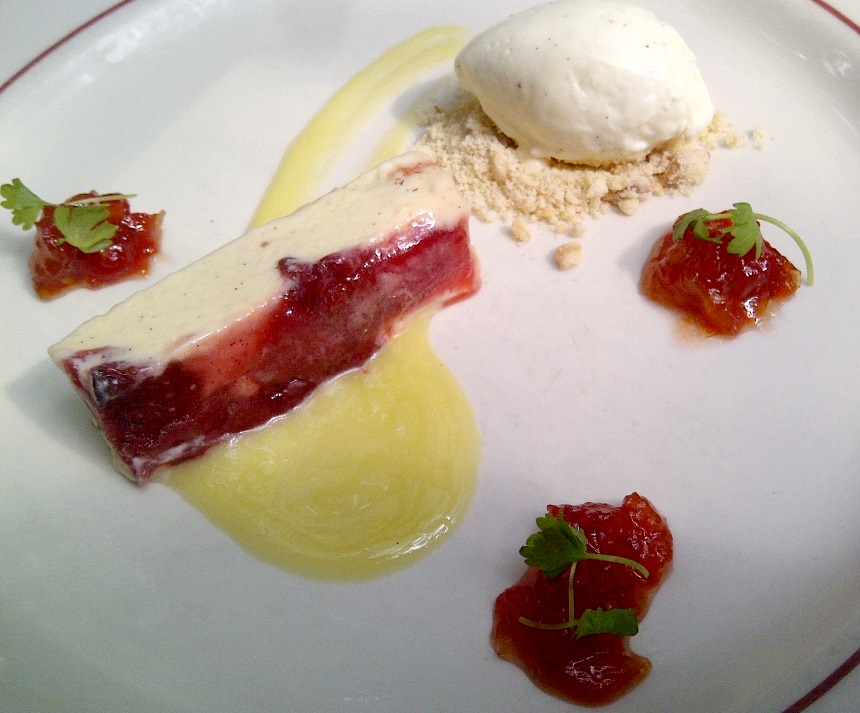
Some pointers for working olive oil into your desserts:
- Use an olive oil that’s good enough to serve unadorned. I chose my olive oil like I chose my liquor: if it’s good enough to drink, then it’s good enough to cook with. Under no circumstances should you ever think about baking with pomace oil, olive oil blends, or light olive oils. Never. Never. Never.
- Use just enough oil to flavor. As with anything, more is not necessarily better. Start by swapping out 1/3 of the butter in your formula for olive oil and work your way up. You can also pair a neutral oil with olive oil if you want to replace the butter with a mild olive oil flavor.
- Olive oil pairs well with citrus, with cakes that have fruit and vegetables, and with chocolate.
Buying olive oil
Quality olive oil is usually associated with Italy and Mediterranean, but don’t rule out the United States. The southern United States, from Georgia to California, is also home to many renowned olive oil producers. But no matter where you choose to buy your olive oil, be sure that it arrives in a dark bottle. Light will oxidize the oil and turn it rancid before you can even unscrew the cap.
Recipes
Here are basic recipes to get you started on your journey. Use different olive oils and see how the flavors of your desserts change:
Olive Oil Sorbet
(Makes 2 quarts)
14 ounces water
11 ounces granulated sugar
2 ounces trimoline
2 g sorbet stabilizer (optional)
2 meyer lemon (zest only)
7 ounces lemon juice
5 ounces extra virgin olive oil
2 ounces extra virgin olive oil (finishing quality)
Combine water, sugar, and trimoline and boil. (If using stabilizer, blend it with a little sugar, add to water and boil for one minute.) Cool syrup to room temperature and add lemon zest and lemon juice. Infuse overnight. Strain base and mix in olive oil with an immersion blender. Process in ice cream machine.
Variation:
Lemon Thyme: Infuse 1 ounce of fresh lemon thyme with lemon zest and juice.
Olive Oil Panna cotta
(Makes 1 quart)
480 grams whole milk
200 grams heavy cream
120 grams olive oil
6 grams gelatin
80 grams granulated sugar
40 grams lemon juice
2 grams salt
Bloom gelatin. Combine sugar and cream and warm just enough to dissolve gelatin. Strain, add milk, lemon juice and olive oil. Blend mix with an immersion blender and pour into molds. Chill until set.
Olive Oil Gelato
(Makes 4 quarts of base)
1500 grams whole milk
450 grams granulated sugar
6 grams ice cream stabilizer
60 grams trimoline
150 grams egg yolks
500 grams extra virgin olive oil
Warm milk and trimoline. Blend sugar and stabilizer and add to warm milk. Bring mixture just to a boil, stirring occasionally. The base will thicken slightly. Temper egg yolks into base and cook for another minute to ensure that the base is pasteurized to 160 degrees Fahrenheit. Cool the gelato base to room temperature and mix in the olive oil using an immersion blender. Chill the base overnight and process in an ice cream machine.
Variation:
Rosemary: Infuse cold milk with 4 rosemary sprigs and seeds from ½ vanilla bean overnight before making base.
Olive Oil Shortbread
(Makes 1 half-sheet)
400 grams granulated sugar
2 lemon (or orange), zest only
1000 grams cake flour
500 mL extra virgin olive oil
100 mL water
240 grams egg yolks
sea salt (as needed for topping)
Sift cake flour and set aside. Whisk sugar and citrus zest to release the oil from the zest and flavor the sugar. Combine with flour and set aside. Place egg yolks and water in mixing bowl, and using a whisk attachment, drizzle in the olive oil until the mixture foams into ‘mayonnaise’. Fold in the dry ingredients and mix gently to form a dough. Press the dough into a lined half sheetpan and sprinkle lightly with sea salt. Bake at 325 degrees Fahrenheit until slightly golden (30-35 minutes) and cut into desired shapes while warm. Cool before serving.
Variation:
Candied olive: fold 300 grams of candied olives with dry ingredients.
 Buttery. Salted. Caramel.
Leave a comment