
Culinary Applications of Baking Powder
Because leavening is instantaneous, breads leavened through acid-base reactions are called quick-breads.
Generally, one teaspoon of baking powder will leaven 5 ounces of flour, 8 ounces of liquid, and one egg. If the liquid is acidic (when using cultured dairy, citrus, or honey), then the acids in baking powder will not be completely consumed in the chemical reaction. This is why your carrot cake may develop green spots after a couple of days in the refrigerator or your cake browns a few minutes after baking but is still raw in the center. If you are using acidic ingredients in a recipe that already uses baking powder, you will need to replace some of the baking powder with baking soda. There is no magic formula for such a conversion. It is trial and error although I can offer this guideline: 5 ounces of flour, one egg and one cup of buttermilk can be leavened with only ½ teaspoon of baking powder and ¼ teaspoon of baking soda. Be mindful that acidity also extends to dry ingredients such as brown sugar and cocoa powder.
Making Baking Powder {Substitutes}
Some people prefer not to use baking powder with aluminum because they believe it leaves a metallic aftertaste, especially in baked goods like biscuits and crackers. If this is your preference, you can make your own baking powder blend by mixing: 1 part baking soda + 2 parts cream of tartar + 1 part cornstarch. This mixture will be nowhere as shelf-stable as commercial blends of baking powder so don’t make more than you will use in a week.At its core, baking powder is usually baking soda combined with an acid and any number of commonly available kitchen acids can be used to simulate the effects of commercial blends of baking powder: vinegar, lemon juice, buttermilk. This is why many heirloom chocolate cake recipes use a combination of baking soda and vinegar (but no baking powder).
Pearlash (pure potash) is a lye-based chemical that is part of the culinary tradition of lye-based cookery. Pretzels, hominy, and masa are all prepared with the aid of lye (yes, the same lye that you use to make soap or clear a clogged bathroom drain)–and the tradition continues in German gingerbread recipes that still rely on pearlash for their distinctive color and flavor.
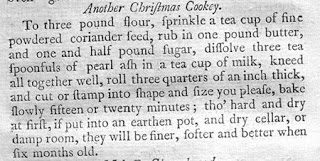
To prepare pearlash: add 250 grams of ash to 2500g of hot water. (Use the ash from maple trees. Resinous woods like pine, need to be completely burned before use.) Stir to dissolve the ash and leave for 12 hours to settle. Filter the water through cheesecloth and boil until a grayish residue remains. This is pearlash (purified potash).
Today, we think nothing of adding a few grams of baking powder to our cakes and biscuits and relishing in their soft, fluffy texture. Dissolving ash in water seems like a crude method to get your cake to rise as the daylong affair produced a leavener whose bitter aftertaste left one salivating, not out of hunger, but out of thirst. But this crude affair paved the way for a culinary innovation that changed the way we bake: baking powder–revolution in a can.
 Buttery. Salted. Caramel.
Leave a comment